August 19, 2026·Panna Tiger Reserve, Madhya Pradesh
The Panna Story: How a Tiger Reserve Came Back from Zero
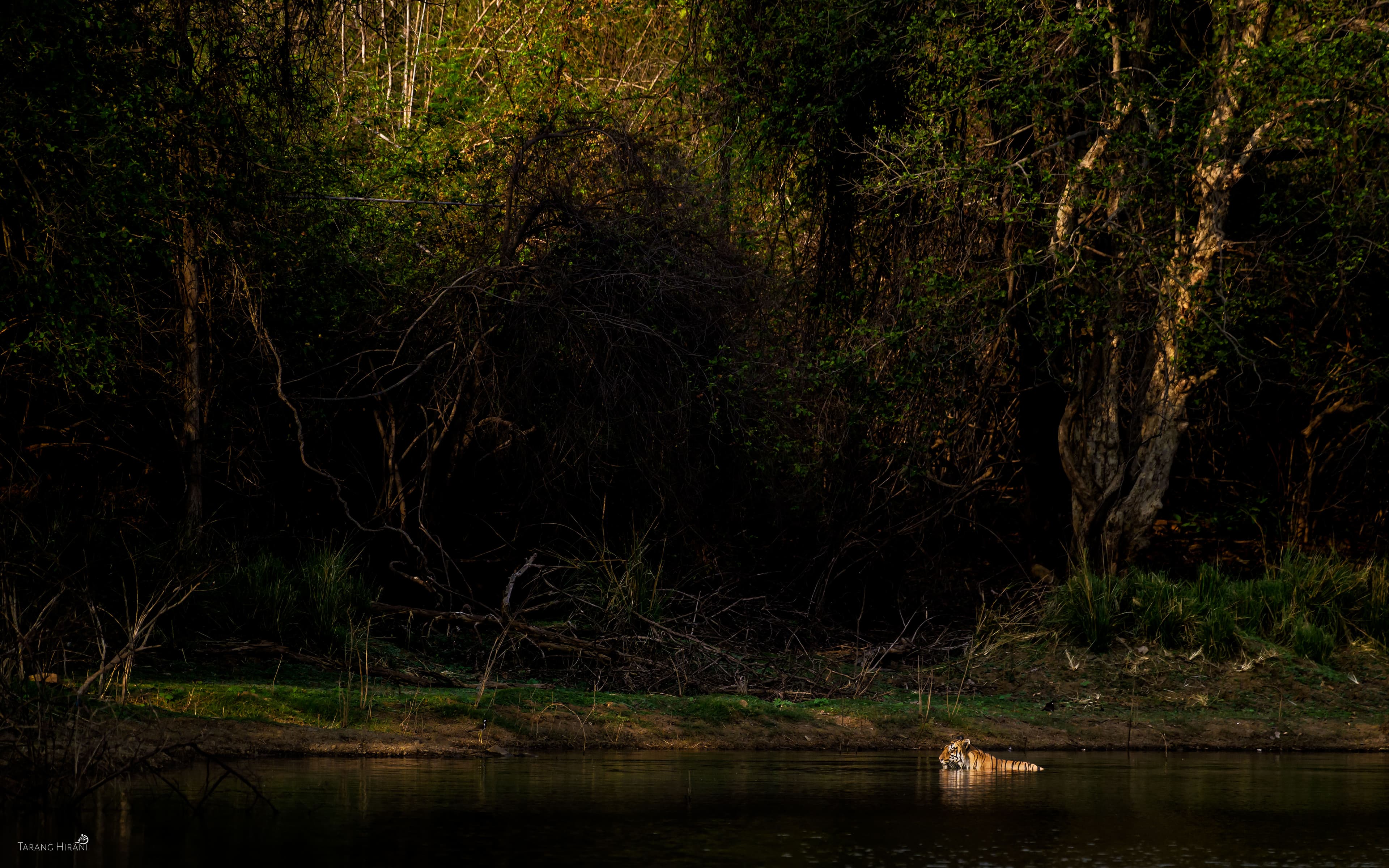
In 2006, Panna had 24 tigers. Not a big number, but a working population. People went there to see them, and they saw them.
By January 2009, one male was left. After that month, nobody saw him again. Later that year, the Wildlife Institute of India put it in writing. Zero. Poachers had taken all of them. Panna was the second reserve in India where this happened. Sariska in Rajasthan was the first, a few years earlier.
“24 tigers is not a number that goes quietly.”
I still find that hard to sit with. But, what happened after is the reason I visit this park. If you've seen the movie Seabiscuit, you'll know what I mean because Panna is all about a good comeback story!
They put tigers back. Two females came first, T1 from Bandhavgarh and T2 from Kanha. Then a male, T3, from Pench. All three wore radio collars, tracked around the clock.
T3 lasted about ten days. His collar went silent, and he walked out, heading towards Pench — the park he came from. Seventy forest staff and four elephants spent the next month looking for him, but what ended up working out was quite a simple solution. They sprayed an area with female tiger urine. It held him in one place long enough to be found. They brought him back. He took a territory and bred.
T1 had four cubs in April 2010. T2 had four more that October. By 2019, Panna had 54 tigers. Today the number is around 80. In 2020, UNESCO added Panna to its network of biosphere reserves.
One can argue why the population was ever allowed to dwindle and disappear, but we should feel proud of the effort gone into bringing Panna back on everyone's radar. So, if you've always thought of visiting Panna, but never took the plunge, this is your time!
Share this story
Enjoyed this read?